Axel Meier has taken over as interim chief executive of Fluence Energy, Inc. after Julian Nebreda stepped down, while Ricardo Roizen becomes interim CFO after Ahmed Pasha’s departure. The board announced both changes on November 2, effective immediately, and said it has begun searches for permanent leaders. Fluence’s announcement sets out the company’s priorities; Energy-Storage.News and Reuters’ report carried by Investing.com confirm the transitions and name the incoming executives.
Meier has served on Fluence’s board since 2020 and recently retired as CFO of Siemens Smart Infrastructure, after more than three decades in senior roles at Siemens. Roizen was CFO of AES Andes and spent more than a decade in AES financial roles spanning corporate finance, planning, treasury and business analysis. The interim choices bring experience from Siemens and AES, Fluence’s founding shareholders, into the transition. The company describes both executives as familiar with Fluence and its market. It has not announced a deadline for completing either permanent search.
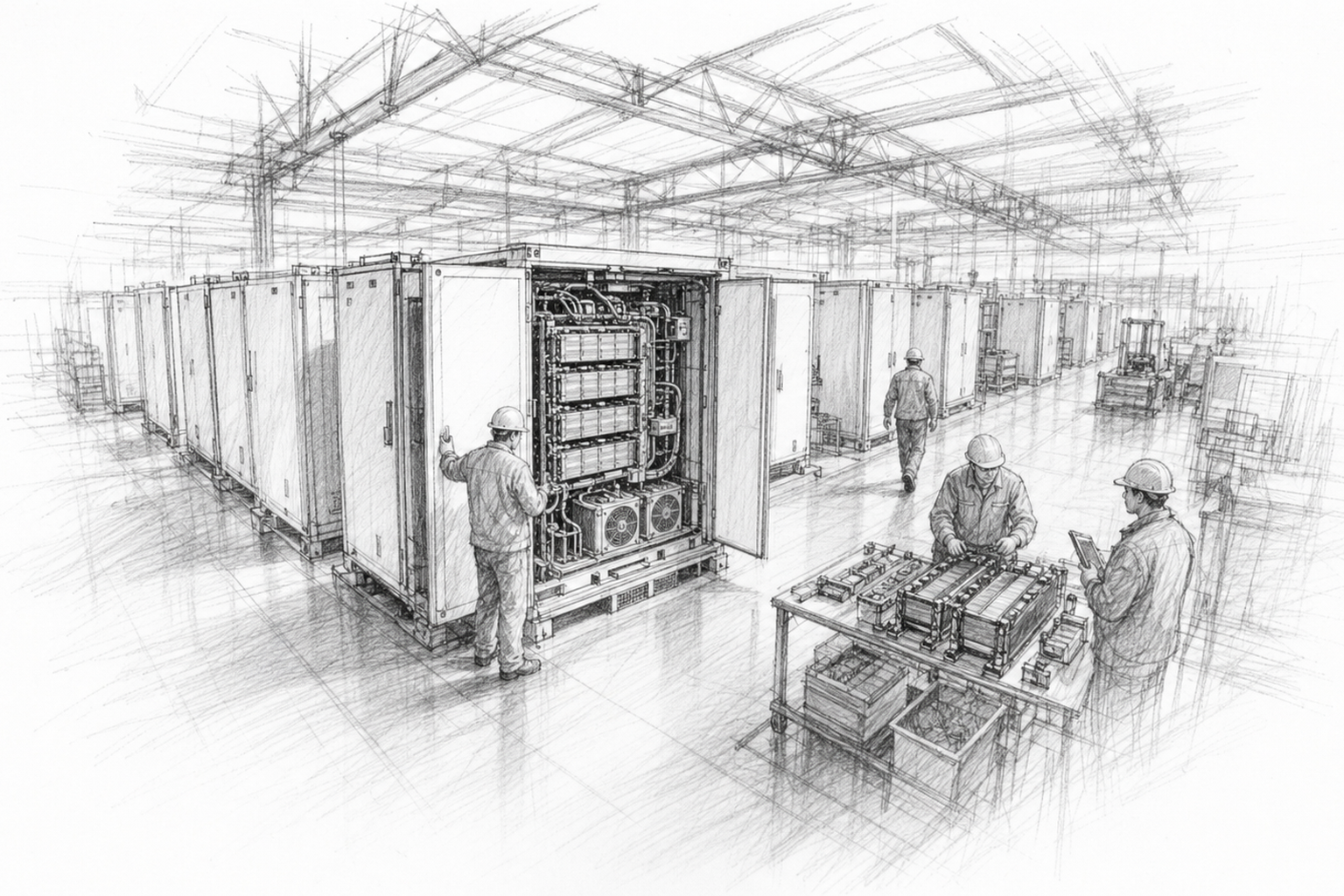
The changes extend beyond the top two positions. Fluence created a Manufacturing and Operations Oversight Committee, chaired by director Stephan May with Stephen Coughlin and Elizabeth Fessenden. The committee’s remit is manufacturing performance, operational execution and customer delivery. COO Bernerd Da Santos will lead work across supply chain, product development, commercial performance and customer delivery. Marco Boos, a manufacturing and transformation executive, is scheduled to become senior vice president and chief customer success officer on November 15, replacing John Zahurancik, who stepped down.
Fluence frames the reset around production systems, execution, cash generation, customer commitments and financial discipline. The context is a difficult operating period, although the company did not say its results caused the executive departures. Energy-Storage.News reported that third-quarter revenue was about $90 million below expectations after delays in U.S. manufacturing; it also reported an adjusted EBITDA loss of $29.3 million and a later reduction of about $600 million in FY2026 guidance. Those figures describe the operating challenge, not the board’s stated reason for changing leaders.
For now, the leadership team is interim even as the operating oversight structure takes shape. The next public financial checkpoint is the FY2026 results release scheduled after market close on November 23. Encafeinados recently covered another board-linked executive handoff at CooperCompanies, a separate transition with different circumstances.