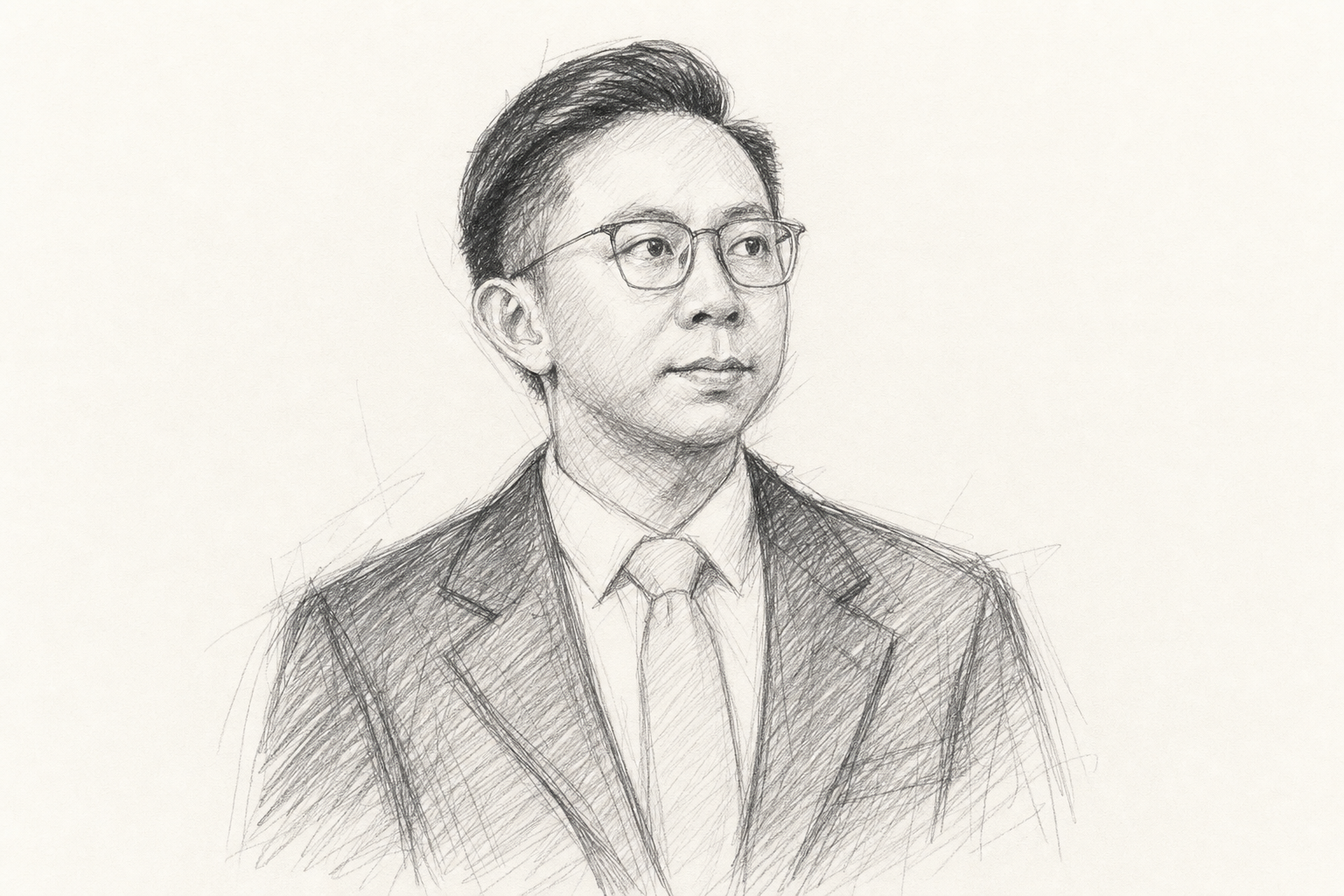
Pham Nhat Quan Anh and VinFast are entering a new phase of the electric-vehicle company’s growth with a succession that puts the founder’s eldest son in charge of global operations. VinFast named the 33-year-old chairman its global chief executive on September 12, replacing founder Pham Nhat Vuong, who will remain on the board. Quan Anh will also serve as chairman and chief executive of VinFast Vietnam.
The change is more than a family handoff. It consolidates operational responsibility under an executive who had already moved into the company’s governance structure: Quan Anh became global chairman in May. The company said he will hold ultimate and comprehensive responsibility for VinFast’s operations as it enters a new growth phase. That gives the appointment a clear execution test: can a younger insider translate the founder’s ambition into a more disciplined international operating model?
Reuters reported that the loss-making automaker is planning a restructuring and overseas expansion. Bloomberg described the transition as coming amid an aggressive international push and growing losses. The two accounts point to the same leadership challenge without turning the story into a personality change alone: VinFast needs to coordinate product, manufacturing, sales and after-sales decisions across markets while improving the economics of the business.
For the board, retaining Vuong matters. He is stepping away from the chief executive role, not from the company’s oversight. That arrangement preserves founder knowledge while giving Quan Anh the formal mandate to run the global business. It also makes the succession a practical test of governance boundaries: where the founder remains influential, and where the new CEO is expected to decide.
The next signals will be operational rather than ceremonial. Watch for changes in country-level leadership, capital allocation, production discipline and the pace of market expansion. A successful transition would show up as sharper accountability and fewer competing centers of authority. A difficult one would reveal itself through another reset in priorities before the international footprint has had time to mature.
That is why the board’s choice deserves to be read as an operating decision, not only a symbolic generational handoff. This is a leadership test with global consequences.